

Why Sleep Is Important: Tips to Improve Sleep Quality
November 9, 2026 | 6 min read
Key Takeaways
- Sleep affects energy, focus, mood, immune health, and overall well-being.
- Poor sleep can affect stress, concentration, daytime energy, and long-term health.
- Healthy sleep habits include a consistent sleep schedule, a calming bedtime routine, and limiting screens before bed.
- The 10-3-2-1-0 sleep rule can help create healthier bedtime habits.
- Relaxation techniques and the 15-minute rule may help if you cannot fall asleep.
- Ongoing insomnia, loud snoring, or daytime sleepiness may be signs to talk with a healthcare provider.
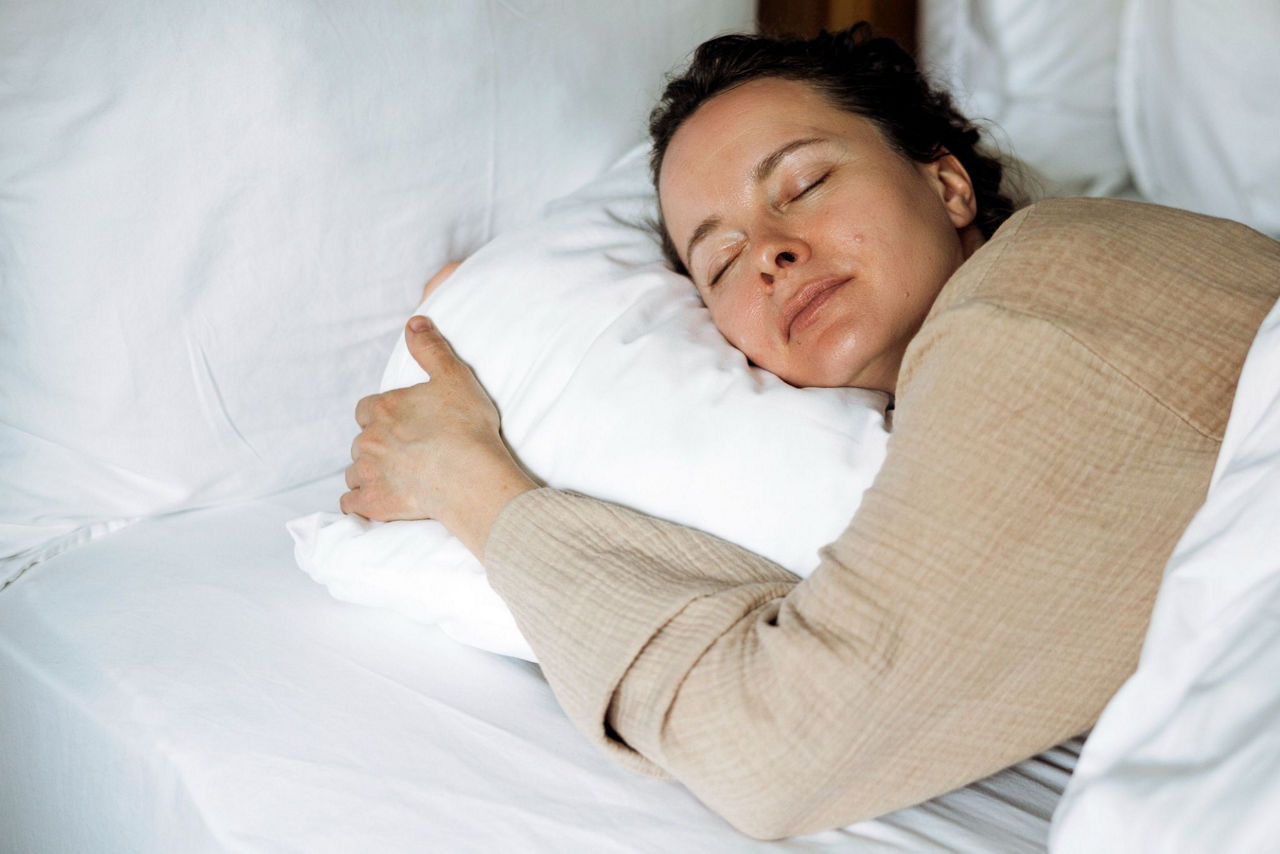
Why Sleep Matters for Your Health
Sleep affects nearly every part of your health, including your energy, mood, focus, stress levels, and overall well-being. While you sleep, your body and brain recover from the day, helping with memory, concentration, healing, immune function, and physical recovery.
When sleep quality is poor, daily life can feel harder. You may feel tired, unfocused, irritable, stressed, or less productive during the day. Over time, ongoing sleep problems may also affect long-term physical and mental health, including weight management.
Many people struggle with occasional sleep problems, trouble falling asleep, nighttime waking, or feeling tired even after spending enough time in bed. Stress, screen time, inconsistent schedules, caffeine, and poor sleep habits can all affect sleep quality.
The good news is that small, science-backed changes can improve sleep naturally. Better sleep habits, calming bedtime routines, and a more sleep-friendly environment could help you fall asleep faster, stay asleep longer, and wake up feeling more rested.
How Sleep Affects Your Body and Brain
Sleep gives your body and brain time to recover from the day. While you sleep, your body repairs muscles and tissues, balances hormones, supports immune function, and processes memories and information.
Sleep also helps regulate mood, stress, focus, and emotional well-being. Different stages of sleep, including REM sleep, help support learning, memory, and mental recovery.
When sleep is interrupted or inconsistent, these important processes may not work as effectively.
What are the Signs of Sleep Deprivation?
People often ask what the signs of poor sleep are. They are easy to miss, especially during stressful or busy periods.
Common signs of poor sleep or poor sleep hygiene may include:
- Trouble falling asleep
- Waking often during the night
- Feeling tired after waking up
- Daytime sleepiness or microsleeps
- Trouble focusing or remembering things
- Irritability or mood changes
- Needing caffeine to get through the day
- Sleeping at very different times each night
Some people also notice headaches, low motivation, or difficulty staying productive during the day.
Health Risks Linked to Poor Sleep
Occasional poor sleep is common, but chronic sleep deprivation may affect long-term health. Research has linked poor sleep quality with a higher risk for certain health concerns, including high blood pressure, heart disease, obesity, and type 2 diabetes.
Poor sleep may also affect blood sugar regulation and stress hormones like cortisol, especially for people with diabetes or other risk factors. Sleep problems can also affect mental health, emotional well-being, and overall quality of life over time.
How Much Sleep Do Americans Actually Get?
According to the Centers for Disease Control and Prevention (CDC), about one in three adults in the United States do not get enough sleep on a regular basis. This means that millions of people are not reaching the minimum amount of sleep needed to support their physical and mental health.
Recent national surveys show that the average American adult gets around 6.8 hours of sleep each night. For younger adults, the numbers are slightly higher, but many still do not reach the recommended amount. Shift workers, parents of young children, and people with demanding jobs are at even greater risk for sleep deprivation.
Source: Gallup, In U.S., 40% Get Less Than Recommended Amount of Sleep
How Much Sleep Do You Need Each Night?
Sleep needs can vary by age, lifestyle, and overall health. Most adults need at least seven hours of sleep each night, while teenagers and children usually need more.
Recommended Sleep by Age
Age Group | Recommended Sleep |
|---|---|
Adults | 7 or more hours per night |
Teens | 8 to 10 hours per night |
School-age children | 9 to 12 hours per night |
Some people need more sleep during stressful periods, illness, or recovery. If you spend enough time in bed but still feel tired most days, sleep quality may be the issue. Waking often, snoring, stress, or an inconsistent schedule can affect how rested you feel.
Why a Consistent Sleep Schedule Matters
Your body follows a natural sleep-wake cycle called the circadian rhythm. This internal clock helps control when you feel awake and when you start to feel sleepy.
Going to bed and waking up around the same time each day may help improve sleep quality over time. Large schedule changes, late-night screen use, and sleeping very late on weekends can all affect this rhythm.
Morning sunlight and regular daytime activity may also help support a healthier sleep schedule.
Build a Sleep-Friendly Routine Tonight
Better sleep often starts with consistent habits. Small changes to your bedtime routine, sleep schedule, and sleep environment could help you fall asleep faster and improve sleep quality over time.
What Is Sleep Hygiene?
Sleep hygiene refers to habits and routines that support restful sleep. This can include keeping a regular bedtime, limiting screens late at night, reducing caffeine before bed, and creating a comfortable sleep environment.
The 10-3-2-1-0 Sleep Rule Explained
The 10-3-2-1-0 sleep rule is a simple framework some people use to support healthier bedtime habits.
The routine generally means:
- 10 hours before bed: Avoid caffeine
- 3 hours before bed: Avoid heavy meals or alcohol
- 2 hours before bed: Finish stressful work or mentally demanding tasks
- 1 hour before bed: Reduce screen time and blue light exposure
- 0: Avoid hitting the snooze button in the morning
This is not a strict medical rule, but it may support a more relaxing and predictable bedtime routine.
A Simple Bedtime Routine to Try Tonight
A calming wind-down routine may help signal to your body that it is time to sleep. Simple routines often work better when practiced consistently.
Time Before Bed | What to Try | What to Avoid |
|---|---|---|
2 hours before | Finish work, chores, or stressful tasks | Alcohol |
1 hour before | Dim lights and start limiting screens | Bright screens |
30 minutes before | Read, stretch, journal, or take a warm shower | Checking email or working |
5 minutes before | Try slow breathing or muscle relaxation | Clock-watching, scrolling, or starting a stressful conversation |
The goal is not perfection—even one or two calming habits might help you feel more relaxed at bedtime.
Bedroom Changes for Better Sleep Quality
Your sleep environment can affect how easily you fall asleep and stay asleep.
A sleep-friendly bedroom is usually:
- Cool
- Dark
- Quiet
- Comfortable
- Free from distractions
Comfortable bedding, blackout curtains, white noise machines, or earplugs help some people sleep better. It may also help to avoid watching TV, scrolling on your phone, or working in bed whenever possible.
How Screens and Blue Light Affect Sleep
Phones, tablets, computers, and TVs can make it harder to relax before bed. Bright screens and stimulating content may keep your brain alert when your body is trying to wind down.
Late-night scrolling, stressful messages, or constant notifications may also increase stress or mental stimulation before bedtime.
If possible, try dimming lights, turning on night mode, or putting screens away during the last hour before bed.
What to Do When You Cannot Fall Asleep
Occasional insomnia or trouble falling asleep is common, especially during stressful periods. If you are lying awake, small reset techniques may help your body relax without making bedtime feel more stressful.
Why It Can Be Hard To Fall Asleep
Sometimes your mind or body may still feel alert when you get into bed.
Common reasons include:
- Stress or anxiety
- Changes in routine
- Caffeine too late in the day
- Screen use before bed
- Physical discomfort or illness
- Sleep disorders or ongoing insomnia
For some people, worrying about sleep itself can also make it harder to relax and fall asleep.
The 15-Minute Rule for Insomnia
If you cannot fall asleep after about 15 to 20 minutes, it may help to get out of bed for a short time instead of lying awake feeling frustrated.
Try doing something quiet and calming in low light, such as reading, stretching, or listening to soft music. Return to bed once you start feeling sleepy again.
This approach can support your brain in reconnecting the bed with sleep instead of stress or wakefulness.
Quick Reset Techniques to Help You Feel Sleepy
If you are awake and frustrated, try a simple reset instead of forcing yourself to sleep. The goal is to calm your body and lower mental activity.
You can try:
- Slow breathing: Breathe in slowly, then breathe out longer than you breathe in.
- Progressive muscle relaxation: Gently tense and relax one muscle group at a time, starting with your feet and moving upward.
- Body scan: Notice each part of your body from head to toe and try to release tension.
- Guided imagery: Picture a calm place, such as a quiet beach or peaceful trail.
- Quiet low-light activity: Read something calm or listen to soft music until you feel sleepy.
These techniques often work best when used regularly instead of only during stressful nights.
Relaxation Techniques That May Help You Fall Asleep
If your mind feels active at bedtime, relaxation techniques can help calm the body and mind.
Examples include:
- Slow breathing exercises
- Progressive muscle relaxation
- Guided imagery
- Gentle stretching
- Body scan meditation
- Sleep podcast
- White noise or sound machine
These techniques often work best when practiced consistently instead of only during stressful nights.
What About Melatonin or Over-the-Counter Sleep Aids?
Some people try melatonin or over-the-counter sleep aids for short-term sleep problems. However, these products may not be right for everyone and can sometimes cause side effects or interact with medications.
If sleep problems continue, talk with a healthcare provider before relying on sleep aids regularly.
Healthy Sleep Habits That Last
Better sleep is often built through small habits that you repeat over time. Once you have a bedtime routine, daily choices like movement, caffeine timing, naps, and stress management can also affect how well you sleep.
Daily Habits That Support Better Sleep
Healthy daytime habits can make it easier to fall asleep and wake up at regular times. To support better sleep, try to:
- Wake up around the same time each day: A consistent wake time can help support your natural sleep-wake cycle.
- Get natural light in the morning: Morning light can help your body know when it is time to feel awake.
- Stay active during the day: Regular movement may help your body feel more ready for rest at night.
- Limit long or late naps: Napping too long or too late in the day can make it harder to fall asleep at bedtime.
- Watch your caffeine timing: Caffeine later in the day can make it harder to fall asleep.
- Make time for stress relief: Calming activities before the evening can help your body and mind wind down.
These habits do not need to be perfect every day. Small, steady changes can help support better sleep quality over time.
Track Your Sleep Patterns
Tracking your sleep for a week or two can help you notice what affects your rest. You can use a notebook, app, or simple sleep diary.
Try writing down:
- What time you go to bed and wake up
- How often you wake during the night
- Caffeine, alcohol, or late meals
- Exercise or naps
- Stress levels
- Screen use before bed
- How rested you feel in the morning
You do not need to track your sleep forever. A short sleep diary can help you spot patterns and give your healthcare provider useful information if sleep problems continue.
When to Talk With a Healthcare Provider About Sleep Problems
Occasional poor sleep is common, but ongoing sleep problems may need medical support. Consider talking with a healthcare provider if you:
- Have insomnia that lasts for weeks: Ongoing trouble falling asleep or staying asleep may need further evaluation.
- Feel very sleepy during the day: Daytime sleepiness that affects work, school, driving, or daily life can be a sign of a larger sleep problem.
- Snore loudly or wake up gasping: These may be signs of sleep apnea or another sleep-related breathing condition.
- Feel restless or wake often during the night: Frequent sleep interruptions can affect sleep quality and daytime energy.
- Rely on sleep aids often: Regular use of over-the-counter sleep products may not address the underlying cause of sleep problems.
A healthcare provider can help look at what may be affecting your sleep, from your bedtime routine and stress levels to medications, snoring, or breathing concerns. Depending on what they find, they may suggest sleep hygiene changes, a sleep diary, cognitive behavioral therapy for insomnia (CBT-I), or further evaluation for a possible sleep disorder.
What This Means If You’re Considering Ambetter Health
Sleep can affect your physical health, mental health, energy, and daily well-being. If sleep problems are ongoing, it may be helpful to talk with a healthcare provider about your symptoms and next steps.
Depending on your plan and location, Ambetter Health may help connect members with primary care, preventive care, mental health support, and other covered services related to sleep and overall health. Benefits and coverage can vary by plan and location.
Have Questions About Sleep, Health, or Coverage?
Improving sleep often starts with small daily changes, but ongoing sleep problems may need extra support. If you have questions about care, coverage, or where to start, Ambetter Health can help you understand your options.
Visit your Online Member Account at My.AmbetterHealth.com for help with your coverage, providers, and care options.
Not yet a member? Our licensed agents are ready to help you find the right plan. Call 855-680-3270 (TTY: 711), Monday through Friday from 8 a.m. to 9 p.m. ET, to explore your health insurance options.
Compare health plans and enroll with Ambetter Health today Or call 844-933-0380 (TTY: 711) to get personalized support from licensed Ambetter Health agents.
Frequently Asked Questions About Sleep
Sleep gives your body and brain time to recover from the day. It plays a role in energy, focus, memory, mood, immune health, and physical recovery.
Poor sleep can make it harder to manage stress, concentrate, and get through daily tasks. Over time, ongoing sleep problems may also affect long-term health.
Five important benefits of healthy sleep include better daytime energy, stronger focus, steadier mood, better memory, and physical recovery.
Good sleep can also make daily routines feel easier. You may feel more alert, more patient, and better able to handle stress.
Proper sleep hygiene means having habits that make it easier to sleep well. This can include going to bed and waking up around the same time, limiting screens before bed, avoiding caffeine late in the day, and keeping your bedroom cool, dark, and quiet.
Sleep hygiene is not one perfect trick. It is a set of small routines that help your body know when it is time to wind down.
Signs of poor sleep hygiene can include trouble falling asleep, waking often during the night, feeling tired in the morning, daytime sleepiness, irritability, or trouble focusing.
You may also notice that your sleep changes when you scroll late at night, drink caffeine too late, nap for too long, or go to bed at very different times.
The 10-3-2-1-0 sleep rule is a bedtime routine that helps you plan your evening. It usually means avoiding caffeine 10 hours before bed, avoiding heavy meals or alcohol 3 hours before bed, finishing stressful work 2 hours before bed, reducing screens 1 hour before bed, and avoiding the snooze button in the morning.
It is not a strict medical rule, but it can give you a simple structure for building better sleep habits.
The 15-minute rule means that if you cannot fall asleep after about 15 to 20 minutes, you get out of bed for a short time. Try something quiet in low light, such as reading or listening to calm music.
Once you feel sleepy again, return to bed. This can help your brain connect your bed with sleep instead of frustration.
To fall asleep faster naturally, focus on lowering stimulation before bed. Dim the lights, put screens away, avoid caffeine late in the day, and try a calming activity like slow breathing, gentle stretching, or reading.
A consistent bedtime and wake time can also help. Your body often sleeps better when it follows a steady routine.
Poor sleep may affect blood sugar regulation, especially for people with diabetes or other risk factors. It can also make it harder to keep up with healthy routines like regular meals, exercise, and stress management.
If you have diabetes or concerns about A1c levels, talk with a healthcare provider about how sleep may fit into your overall care plan.
Regular exercise can help some people sleep better. Movement during the day can help your body use energy, reduce stress, and feel more ready for rest at night.
Timing matters too. If hard workouts near bedtime keep you awake, try exercising earlier in the day and saving gentle stretching for your evening routine.
Talk with a healthcare provider if sleep problems last for weeks, affect your daily life, or cause strong daytime sleepiness. Loud snoring, waking up gasping, or needing sleep aids often may also point to a sleep-related concern.
A provider can help look for possible causes and recommend next steps, such as sleep habit changes, a sleep diary, CBT-I, or an evaluation for a sleep disorder.
Most adults need at least seven hours of sleep each night. Some adults may need a little more depending on their age, health, stress level, and daily routine.
Yes. Stress and anxiety can keep your mind and body alert when you are trying to relax. This can make it harder to fall asleep, stay asleep, or wake up feeling rested.
Yes. Caffeine can affect sleep for several hours, even if you drink it earlier in the day. If you have trouble sleeping, try avoiding caffeine in the afternoon or evening and notice whether your sleep improves.
A balanced diet and steady routine may support better sleep. Some people find that a light snack, water, or a warm caffeine-free drink helps them feel comfortable before bed. Try to avoid large meals, alcohol, and caffeine close to bedtime.
A cool room is usually better for sleep. Keeping your bedroom cool, dark, quiet, and comfortable can help your body relax and may make it easier to fall asleep and stay asleep.
Melatonin may help some people with short-term sleep timing issues, but it is not the right choice for everyone. It can cause side effects or interact with medications, so talk with a healthcare provider before using it regularly.
Sources:
- https://www.cdc.gov/sleep/about/index.html
- https://www.nhlbi.nih.gov/health/sleep-deprivation
- https://www.nia.nih.gov/health/sleep/sleep-and-older-adults
- https://www.mayoclinic.org/healthy-lifestyle/adult-health/in-depth/sleep/art-20048379
- https://health.clevelandclinic.org/sleep-hygiene
- https://www.sleepfoundation.org/sleep-hygiene
- https://www.hopkinsmedicine.org/health/wellness-and-prevention/exercising-for-better-sleep
- https://www.cms.gov/medical-bill-rights/help/guides/explanation-of-benefits
- https://www.healthcare.gov/glossary/
- https://www.cdc.gov/diabetes/php/toolkits/new-beginnings-sleep-health.html
- https://medlineplus.gov/ency/patientinstructions/000871.htm
Shop Ambetter Health Plans
Find the affordable plan that's right for you.
Or call our helpful team:
844-933-0380 (TTY: 711)
8 a.m. to 9 p.m. ET

Marketplace Insurance
Learn more about the health insurance marketplace or health insurance exchange.

Tips for Choosing a Marketplace Plan
Discover essential tips for choosing the right Marketplace insurance plan.

Essential Health Benefits
10 essential health benefits and preventive care coverage.

Marketplace 101: Open Enrollment
Understand the key dates and your affordable insurance options.

Special Enrollment Period
Understand if you qualify for a special enrollment period.
Carousel content with slides.
A carousel is a rotating set of images, rotation stops on keyboard focus on carousel tab controls or hovering the mouse pointer over images. Use the tabs or the previous and next buttons to change the displayed slide.