

Fall Prevention for Older Adults: How to Reduce Fall Risk at Home
November 9, 2026 | 6 min read
Key Takeaways
- Falls are common in older adults, but many falls can be prevented.
- Common fall risks include balance problems, weak muscles, medication side effects, poor vision, and hazards around the home.
- Simple home changes, like improving lighting, adding grab bars, and removing loose rugs, can help reduce fall risk.
- Exercise, supportive footwear, vision checks, and medication reviews may help improve safety and mobility.
- A fall risk assessment can help identify warning signs and lower the risk of future falls.
- After a fall, check for injuries first and get medical help when needed.
- Ambetter Health can help members access care, screenings, and support related to fall prevention.
Why Fall Prevention Matters
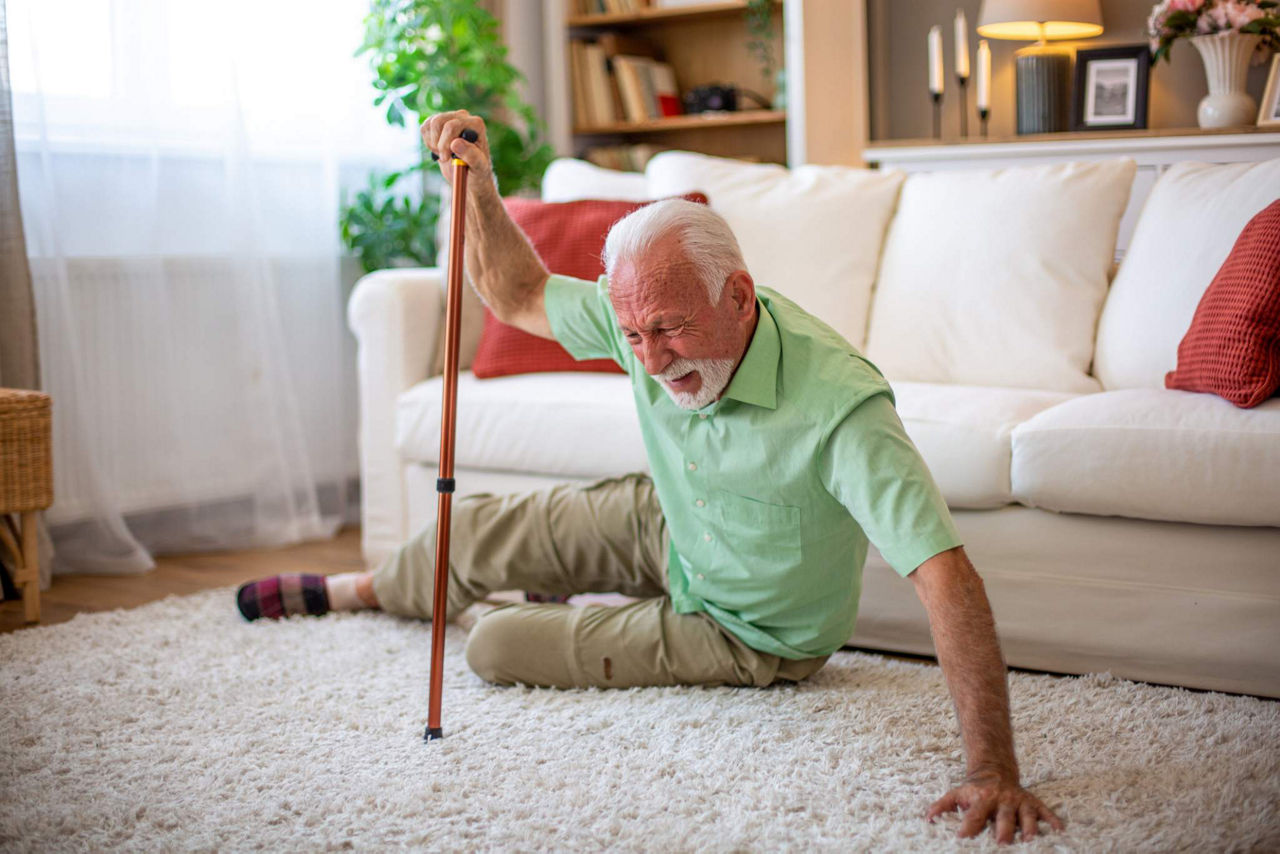
Falls can happen at any age, but the risk increases as people get older. For older adults, a fall can lead to injuries like fractures or head injuries, and may also affect confidence and independence.
Many falls can be prevented with simple home changes and healthy daily habits. Clearing walkways, improving lighting, staying active, and talking with a healthcare provider about balance or medication concerns can all help lower fall risk.
Fall risk can increase when health changes, mobility concerns, or safety hazards make daily movement harder.
Older adults may be at higher risk if they have:
- Trouble walking or keeping balance
- Muscle weakness
- Vision problems
- Foot pain or poor footwear
- Dizziness or lightheadedness
- Medications that cause sleepiness or affect balance
- A history of falling
- Home hazards, such as loose rugs, clutter, or poor lighting
Warning Signs of Increased Fall Risk
You or a loved one may have a higher fall risk if daily movement starts to feel less steady. This can look like holding onto furniture while walking, avoiding stairs, feeling dizzy, or worrying about falling.
It is also a good idea to talk with a healthcare provider after any fall, or if standing up from a chair becomes harder than usual.
What Causes Falls in Older Adults?
Falls are often caused by health changes, medication side effects, and hazards around the home.
Health Conditions and Mobility Problems That Increase Fall Risk
Weak muscles, poor balance, decreased flexibility, vision and hearing loss, and trouble walking on stairs or uneven surfaces can all increase fall risk. Health conditions such as arthritis, diabetes, low blood pressure, foot problems, vision impairment, or conditions that affect memory or movement can also play a role.
Watch for new weaknesses, balance problems, or trouble moving safely at home.
Medication Side Effects and Fall Risk
Some medications can increase fall risk by causing dizziness, drowsiness, confusion, or changes in blood pressure. This may include sleep medicines, pain medicines, antidepressants, blood pressure medicines, or over-the-counter medications.
Do not stop taking medication without talking to a healthcare provider. A provider or pharmacist can review your medications, especially if you take more than one, and explain possible side effects that may affect safety or balance.
Home Hazards That Can Increase Fall Risk
Many falls happen during everyday activities, such as getting out of bed at night, walking up stairs, or moving through cluttered spaces. Small hazards around the home can become more dangerous when balance, strength, or vision changes over time.
Common home fall hazards include:
- Loose rugs or floor mats
- Clutter in walkways
- Poor lighting
- Slippery bathroom floors
- Missing handrails
- Uneven steps
- Improper footwear
- Cords across walking paths
- Polypharmacy, or the use of multiple medications at home
These hazards may seem minor, but simple home changes can make daily movement safer and help reduce fall risk.
Fall Risk Assessment: How to Check If You Are at Risk
A fall risk assessment helps identify things that may increase someone’s chance of falling. It may include questions about past falls, balance, medications, vision, strength, and home safety.
What Is a Fall Risk Assessment?
A fall risk assessment can be done by a healthcare provider during a routine visit or after a fall. The goal is to find risks early and create a plan to reduce them.
A provider may ask questions, watch how you walk, check your strength and balance, review medications, and talk about your home setup.
Three Questions Used in Fall Risk Screening
Providers may start with simple screening questions, such as:
- Have you fallen in the past year?
- Do you feel unsteady when standing or walking?
- Do you worry about falling?
Depending on the answers to these types of questions, a provider may recommend a more complete fall risk assessment.
Use this checklist as a quick way to spot common fall risk factors. If several apply to you or a loved one, it may be a good idea to talk with a healthcare provider about a fall risk assessment.
Fall Risk Factor | Why It Matters |
|---|---|
A fall in the past year | Past falls can increase the chance of falling again |
Balance problems | Makes walking, turning, or using stairs less steady |
Certain medications | May cause dizziness, drowsiness, or confusion |
Poor vision | Makes it harder to see steps, clutter, or uneven floors |
Weak muscles | Makes it harder to stand, walk, or recover from a stumble |
Unsafe home setup | Create strip or slip hazards in everyday spaces |
Whatare the 5 P's of Fall Prevention?
These five key areas guide the care team, family caregivers, and individuals in taking practical steps for safety:
Pain: Let your healthcare provider know if you have pain, discomfort, or soreness. Pain can affect how you move, making falls more likely.
Potty: Make sure bathroom needs are met regularly. Having a clear and safe path to the bathroom can help avoid rushing or tripping, especially at night.
Position: Change your position slowly when moving from lying to sitting or sitting to standing. Ask for help if needed, and always use mobility aids as recommended.
Personal Belongings: Keep important items like your call button, phone, glasses, or water within easy reach. This can prevent reaching or stretching, which could cause a fall.
Prevention: Stay alert to your surroundings and report any hazards like spills, uneven flooring, or poor lighting. Using non-slip footwear and following a regular exercise routine can also support better balance and strength.
When to Talk to a Healthcare Provider
Talk to a healthcare provider if you or a loved one has fallen, feels unsteady, has new dizziness, or is avoiding normal activities because of fear of falling. A provider can check for injuries, review fall risk factors, and recommend ways to help prevent another fall.
Preventing Falls at Home: Simple Changes That Help
Making the home safer is one of the most practical ways to reduce fall risk. Simple changes, like improving lighting, clearing walkways, and reducing slippery surfaces, can help make daily movement safer and more comfortable.
Area | Common Hazard | Safer Option |
|---|---|---|
Bathroom | Slippery floors | Add non-slip mats |
Shower or tub | Nothing to hold onto | Install grab bars |
Bedroom | Poor lighting at night | Use night lights |
Stairs | Missing or loose handrails | Add secure railings |
Living room | Loose rugs or clutter | Clear walkways |
Hallways | Cords or low lighting | Move cords and improve lighting |
Outdoor areas | Uneven pathways or obstacles like garden hoses | Keep paths clear and repair uneven surfaces |
Bathroom Fall Safety: Precautions to Reduce Slips
Bathroom fall prevention starts with non-slip surfaces and grab bars because water and smooth surfaces make slips more likely. Non-slip mats, grab bars near the toilet and shower, and a shower chair can help make the space safer for someone with balance or mobility concerns.
Keep towels, soap, and other everyday items within easy reach to reduce bending, stretching, or reaching.
Bedroom, Living Room, and Hallway Fall Prevention Tips
Clear walkways can help reduce trips and falls throughout the home. Remove clutter, secure or remove loose rugs, move cords away from walking areas, and use night lights to improve visibility at night.
Keep commonly used items within easy reach to reduce unnecessary climbing, stretching, or rushing.
Stair Safety Tips to Prevent Falls
Stairs can be more dangerous when lighting is poor or handrails are loose or missing. Secure handrails on both sides and good lighting can help improve stability.
If stairs are slippery, non-slip stair treads may help improve traction. Avoid carrying too many items on stairs, and take your time going up or down.
Everyday Habits That Help Reduce Fall Risk
Everyday habits also play an important role in preventing falls. Staying active, wearing supportive shoes, and keeping up with vision care can all help support safer movement and better balance over time.
Exercises That Improve Balance and Strength
Regular physical activity can help older adults improve strength, balance, flexibility, and coordination, which may help lower fall risk. Exercise programs are recommended for older adults at increased risk of falling.
Helpful options may include:
- Walking
- Chair exercises
- Gentle stretching
- Balance-focused activities
- Exercise classes designed for older adults
Some people may also benefit from working with a physical therapist. Always check with a healthcare provider before starting a new exercise routine, after a fall or injury.
Vision and Footwear Tips to Help Prevent Falls
Regular vision checks can help older adults see hazards more clearly and move around more safely. Supportive shoes with non-slip soles can also help improve stability.
To reduce fall risk:
- Avoid walking in socks, loose slippers, or shoes that do not fit well
- Use canes, walkers, or other mobility aids as directed
- Ask a healthcare provider or physical therapist to check that mobility aids fit correctly
Can Vitamin D Help Prevent Falls?
Vitamin D is important for bone and muscle health, but it is not a proven fall prevention fix. Some people with low vitamin D may benefit from supplements, but vitamin D alone may not prevent falls.
Talk with a healthcare provider before starting vitamin D or other supplements. They can help decide what is safe and appropriate based on your health needs.
What to Do After a Fall
If an elderly person falls, the first step is to stay calm and check for injuries. Do not rush them to stand up.
When to Get Medical Help After a Fall
Seek medical care right away if a fall causes:
- Head injury
- Severe pain
- Trouble standing or walking
- Loss of consciousness
- New confusion
- Possible fracture
- Chest pain or trouble breathing
You should also contact a healthcare provider after any fall that causes injury or makes you feel less steady than usual. Some injuries, including head injuries or fractures, may not feel serious right away.
Why Follow-Up Care Is Important After a Fall
Even a minor fall can be a sign of balance problems, medication side effects, vision changes, or other health concerns. A healthcare provider can check for injuries, review possible causes, and recommend ways to improve safety and lower the risk of falling again.
What This Means for Your Ambetter Health Plan
Fall prevention includes home safety, regular checkups, medication reviews, vision care, and follow-up after a fall. Depending on your plan, Ambetter Health may help connect you with providers who can assess fall risk, discuss mobility or balance concerns, and recommend screenings or next steps.
Coverage and benefits can vary by plan and location. Reviewing your plan details and using in-network providers can help you understand your care options and possible out-of-pocket costs.
Have Questions About Coverage?
Taking steps to prevent falls can help you or your loved one feel safer and more confident at home. If you have questions about preventive care, provider visits, or your coverage, Ambetter Health can help you understand your options.
Contact Ambetter Health or call Member Services using the number on the back of your Member ID Card for help with providers, preventive care, and your coverage.
Not yet a member? Our licensed agents are ready to help you find the right plan. Call 855-680-3270 (TTY: 711), Monday through Friday from 8 a.m. to 9 p.m. ET, to explore your health insurance options.
Compare health plans and enroll with Ambetter Health today Or call 844-933-0380 (TTY: 711) to get personalized support from licensed Ambetter Health agents.
Frequently Asked Questions About Fall Prevention
Some of the best ways to help prevent falls include improving lighting, removing loose rugs or clutter, staying physically active, wearing supportive shoes, and reviewing medications with a healthcare provider. Simple home changes and healthy daily habits can help reduce fall risk over time.
A fall risk is anything that makes someone more likely to fall. Common fall risks include poor balance, muscle weakness, dizziness, vision problems, unsafe stairs, loose rugs, certain medications, or a history of falling.
Frequent falls can happen for many reasons, including balance problems, weak muscles, medication side effects, poor vision, health conditions, or hazards around the home. A healthcare provider can help identify possible causes and recommend ways to improve safety.
A fall risk assessment is a review used to identify things that may increase someone’s chance of falling. A healthcare provider may ask about past falls, medications, balance, strength, vision, and home safety to help create a plan to reduce fall risk.
Some healthcare providers ask these three fall risk screening questions:
- Have you fallen in the past year?
- Do you feel unsteady when standing or walking?
- Do you worry about falling?
Answering yes to any of these questions may mean a more complete fall risk assessment is needed.
If there is no serious injury, an older adult may be able to roll onto their side, move onto their hands and knees, crawl to stable furniture, and slowly stand up with support. If there is severe pain, dizziness, weakness, or possible injury, call for help instead of trying to stand alone.
Talk with a healthcare provider if someone has fallen, feels unsteady, has new dizziness, struggles with balance, or worries about falling. A provider can review medications, check for injuries, and recommend ways to help reduce future falls.
Simple home safety changes can help reduce fall risk. Common examples include adding grab bars, improving lighting, using non-slip mats, clearing clutter from walkways, securing loose rugs, and installing sturdy handrails on stairs.
Small home changes can make everyday movement safer, especially for older adults with balance, mobility, or vision concerns.
Warning signs of increased fall risk can include dizziness, trouble keeping balance, holding onto furniture while walking, avoiding stairs, or feeling worried about falling. Frequent stumbles or difficulty standing up from a chair can also be signs that someone may need a fall risk assessment.
If there is no serious injury, stay calm and check how you feel before trying to stand up. Move slowly, use stable furniture for support, and rest before walking. If there is dizziness, severe pain, weakness, or trouble standing, call for help or seek medical care.
The information provided on this website is for informational purposes only. No material on this site is intended to be a substitute for professional medical advice, a diagnosis or treatment. Always seek medical advice from your healthcare provider. Always seek advice from your healthcare professional before starting a new health program or changing your current provider led treatment recommendations. Do not delay in seeking care because of any information you have read on this website.
Sources:
- https://www.cdc.gov/falls/about/index.html
- https://www.cdc.gov/steadi/index.html
- https://www.nia.nih.gov/health/falls-and-falls-prevention/falls-and-fractures-older-adults-causes-and-prevention
- https://www.healthcare.gov/glossary/
- https://www.cms.gov/medical-bill-rights/help/guides/explanation-of-benefits
- https://www.cdc.gov/falls/data-research/facts-stats/index.html
- https://www.mayoclinic.org/healthy-lifestyle/healthy-aging/in-depth/fall-prevention/art-20047358
- https://www.cdc.gov/falls/communication-resources/index.html
Shop Ambetter Health Plans
Find the affordable plan that's right for you.
Or call our helpful team:
844-933-0380 (TTY: 711)
8 a.m. to 9 p.m. ET

Marketplace Insurance
Learn more about the health insurance marketplace or health insurance exchange.

Tips for Choosing a Marketplace Plan
Discover essential tips for choosing the right Marketplace insurance plan.

Essential Health Benefits
10 essential health benefits and preventive care coverage.

Marketplace 101: Open Enrollment
Understand the key dates and your affordable insurance options.

Special Enrollment Period
Understand if you qualify for a special enrollment period.
Carousel content with slides.
A carousel is a rotating set of images, rotation stops on keyboard focus on carousel tab controls or hovering the mouse pointer over images. Use the tabs or the previous and next buttons to change the displayed slide.